
Originally Posted On: https://travelandtourtips.com/why-do-cabin-renters-trust-an-anan-cabin-water-taxi-for-remote-pickups/
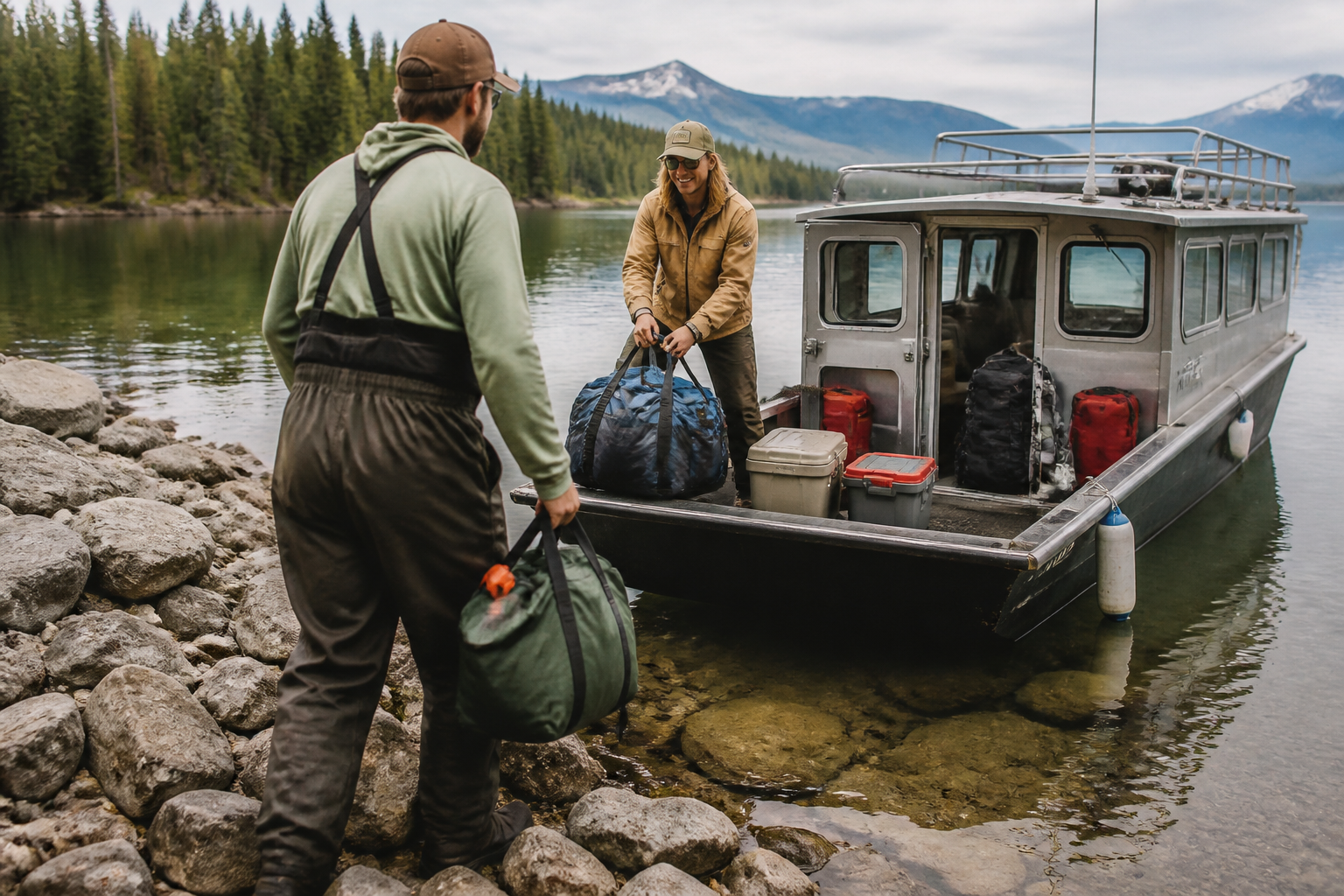
Miss your pickup window at a remote cabin, and you’re not calling a cab. You’re stuck waiting on a gravel beach while the tide drops and daylight burns. That’s the reality cabin renters face out at Anan, and it’s exactly why a dependable Anan Cabin water taxi matters more than most first-timers realize.
This isn’t a harbor pickup with a dozen backup options sitting at the dock. Get the timing wrong, or work with a crew that doesn’t know the channel, and a two-night cabin stay turns into a stranded gear pile and a ruined trip. Renters who’ve done this a few times stop shopping on price alone. They start asking who actually knows the tide tables, who shows up when they say they will, and who can load a canoe or a week’s worth of coolers without drama. That’s the whole game out here — reliability, gear handling, and someone on the wheel who’s run these waters more times than they can count.
What Makes Booking a Water Taxi to Anan Cabin Different From a Regular Tour?
Picture this: five hunters and a pile of dry bags sitting on a gravel beach with the tide dropping fast, and the only ride back to town is a boat that hasn’t shown up yet. That’s the reality cabin renters try to avoid, and it’s why an Anan Cabin water taxi runs differently than a sightseeing trip out of the harbor. A regular tour has flexibility built in — if the weather shifts, the captain just picks another bay. A cabin drop-off doesn’t have that luxury. There’s a reservation waiting, a permit window closing, and no dock to fall back on.
Why On-Time Pickup Matters More at a Remote Cabin Than in Any Harbor
In a harbor, being twenty minutes late means a shrug and a coffee refill. At a remote cabin, it can mean a missed connecting flight or a night spent rationing food. Renters need a crew that treats the tide table like scripture, not a suggestion.
How Gear and Freight Get Loaded for a Cabin Stay
Loading isn’t glamorous, but it’s where trips succeed or fall apart. Coolers, stoves, fuel cans, and the occasional canoe all need a plan before the boat ever leaves the dock. Renters heading further upriver sometimes combine that same freight approach with a telegraph water taxi run, since border paperwork and gear logistics overlap. Either way, guests should expect to help stage gear dockside — the crew organizes, but extra hands speed things along.
How Do Tides and Weather Affect Pickup and Drop-Off Times at Anan?
Tides run this whole operation — not the clock. The Anan Cabin water taxi schedule bends around the water, not a printed itinerary, and any cabin renter who’s spent a season out there knows it. Low tide can expose gravel bars near the landing that simply aren’t passable in a loaded boat. High water opens up faster, more direct routes. So departure times shift by an hour or two depending on the day, and that’s normal, not a red flag.
What Happens If Weather Delays the Boat
Wind and swell matter more than rain, honestly. A drizzly day with calm seas is an easy run. A clear day with 25-knot gusts pushing against an outgoing tide? That’s the kind of chop that turns a comfortable ride into a rough one, and a captain worth trusting will hold off rather than push through it. If conditions delay things, expect a call or radio check-in well before your scheduled window — not a no-show. Cabin renters booking a Point Baker water taxi service run into the same tide logic, since it’s the same stretch of unpredictable Southeast water. And that’s exactly why anyone arranging Boat taxi Wrangell pickups should build slack into travel plans. A same-day flight connection right after an Anan pickup is asking for trouble.
What Should Cabin Renters Pack and Prepare Before the Ride Out?
What’s actually in your dry bag right now? If you can’t answer that fast, it’s time to sort your gear before the crew shows up at the loading zone. Rain layers, dry socks, and a headlamp aren’t optional out here — they’re the difference between a good trip and a miserable one.
Weight and bulk matter more than folks expect. Boats have real limits, and a crew running the Banana Point water taxi service needs to know ahead of time if you’re hauling coolers, extra fuel, or bulky freight. Same goes for anyone booking a haulback Alaska water taxi pickup after a stay — tell the crew your gear count before pickup day, not when you’re standing on the dock.
Here’s a short list worth running through before departure:
-
Waterproof bags for electronics and food (not just a garbage bag liner)
-
Bear-proof food storage, since Anan country means active bears nearby
-
Extra layers — weather shifts fast, even mid-summer
-
A printed pickup time, written down, not just saved on a phone that might die
Realistically, the crew will help load and unload — they can’t read your mind about what’s fragile or heavy. Say it out loud before the boat leaves the dock.
Can a Water Taxi Handle Canoes, Kayaks, or Extra Gear for a Cabin Trip?
Nine times out of ten, gear — not weather — is what trips up a remote pickup. A loaded canoe, three duffels, a cooler, and a couple of paddles add up fast, and most small skiffs just aren’t built for it. That’s why an Anan Cabin water taxi built with a landing-craft bow makes such a difference: gear rolls straight on and off instead of getting man-handled over a rail.
Here’s what most people miss: not every hull on the water can take a canoe or kayak without advance planning. Tell the crew ahead of time, and they’ll size the boat and loading order to fit — paddles, dry bags, coolers, all of it.
The same setup applies well beyond Anan Creek.
Gear-heavy trips headed toward remote islands often use the same Whale Pass water taxi service that cabin renters rely on for bear-country pickups, since the loading process and vessel capacity don’t change much between destinations.
A few practical notes for gear-heavy bookings:
-
Call ahead if you’re bringing a canoe or kayak — it changes how the boat gets loaded.
-
Pack in soft-sided bags when possible; they stack easier on a moving deck.
-
Ask about add-ons like bear spray or stove fuel rather than hauling extra weight yourself.
Realistically, the boat should adjust to your gear — not the other way around.
Why Do USFS Cabin Renters Pick a Local Operator Over a Generic Charter?
Here’s the myth: any boat with a hull and a schedule can get you to a remote cabin on time. That’s just not true. An Anan Cabin water taxi run isn’t a straight shot across open water — it’s a game of reading tide windows, dodging gravel bars, and knowing which channel actually holds water at low tide. A generic charter captain, even a skilled one, is guessing. A Wrangell-based crew isn’t.
What Local Knowledge Actually Buys You on the Water
Local knowledge means knowing which anchorage stays calm when the wind swings, and which route adds an hour of rough riding for no good reason. It means loading gear efficiently on a landing-craft bow instead of wrestling coolers over a rail. And it means understanding that a pickup window at a remote cabin isn’t flexible — miss the tide, and you’re stuck waiting hours, not minutes.
That same familiarity carries over to nearby destinations.
Guests booking a Berg Bay Cabin water taxi service get the same weather judgment and route confidence as those headed to Anan. Realistically, that’s the whole value proposition: not a fancier boat, just someone who’s run these waters for years and won’t get caught guessing when conditions turn.
Booking a boat out to a remote cabin isn’t the same as booking a sightseeing ride, and cabin renters figure that out fast. An Anan Cabin water taxi run lives or dies on timing — tides, gear handling, and a crew that actually knows the channel rocks and gravel bars by memory, not by chart alone. That’s the difference between a smooth pickup and a long, cold wait on a beach with a dead phone.
None of this works without communication.
Weather changes, tides shift, and a good operator tells guests before it becomes a problem instead of after. Pair that with a crew willing to help load canoes, coolers, and stove fuel without treating it as an inconvenience, and the whole trip feels less like a gamble and more like a plan.
So if a cabin stay is on the calendar, don’t leave the transport part for later. Get dates locked in, ask about gear needs up front, and book the ride out with a crew that treats a remote pickup like it’s the whole trip — because for the cabin renter, it is.


