
AC contractors in Livermore, CA, share the advantages of central air and ductless mini-split systems.
Livermore, United States – June 30, 2026 / Barker Heating & Cooling /
Installing Central Air Conditioning Systems vs. Ductless Mini Split Systems
Central air conditioning and ductless mini split systems each represent a distinct approach to whole-home comfort, and the differences between them go far beyond price tags and installation timelines. Homeowners in Livermore, CA, are increasingly weighing these two options as older systems age out and the demand for energy-efficient cooling solutions continues to grow. A closer look at how each system works, what it offers, and what it requires reveals the information needed to make the most confident and cost-effective decision on an air conditioner installation for any home.
Central Air Conditioning Benefits
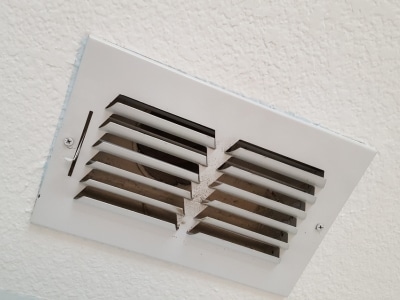 A central air conditioning system works by cooling air at a single unit and distributing that conditioned air throughout the entire home via a network of air ducts and vents installed behind walls, ceilings, and floors. This design makes central AC an especially practical and budget-friendly choice for homes that already have existing ductwork in place, since the bulk of the installation infrastructure is already there, bringing the overall cost of a new central air conditioner well below what a full ductless mini split conversion would require. For homeowners who prefer a seamless cooling experience tied to one thermostat, the existing duct system transforms a central AC upgrade into one of the most straightforward and economical HVAC installations available.
Beyond the cost advantage, central air conditioning appeals to those who want consistent, uniform cooling across every room of the house without adjusting multiple units or managing separate zones. A single thermostat controls the indoor temperature from one location, delivering the same conditioned air to every corner of the home at the same time, which suits larger households where comfort preferences tend to align across living spaces. The simplicity of that setup makes central air conditioning an enduring choice for families who value convenience and whole-home climate control above all else.
Another compelling aspect of central air conditioning is how little visual presence it has once the installation is complete. The air ducts run invisibly behind the walls and ceilings, the vents sit flush against surfaces, and the only visible indoor component is typically a small return air grille, leaving the interior design of the home completely undisturbed. For homeowners who prefer a clean, uninterrupted aesthetic without wall-mounted indoor units taking up space in every room, central AC delivers powerful cooling performance without sacrificing the look of the living space.
Ductless Mini Split Air Conditioner Benefits
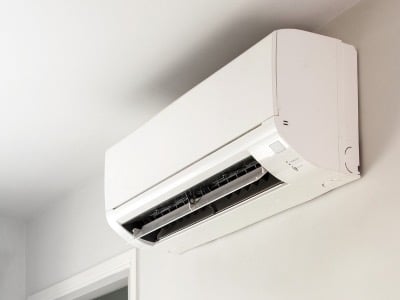 A ductless mini split system consists of an outdoor compressor unit connected to one or more indoor air handlers mounted directly on the walls of the rooms being cooled, with no ductwork required to move conditioned air through the home. Because the system delivers cooled air directly into each space without routing it through a network of ducts, ductless mini-splits avoid the energy losses that occur when air travels through ductwork, which can account for a significant portion of wasted energy in a traditional central AC setup. That improved energy efficiency translates into lower monthly utility bills, making ductless mini-split installation an attractive long-term investment for homeowners focused on reducing ongoing operating costs.
The absence of ductwork also opens the door to cooling solutions in homes and spaces where installing air ducts would be impractical, cost-prohibitive, or physically impossible. Older homes without existing ductwork, room additions, converted garages, and detached structures like workshops or guest suites all become viable candidates for a ductless AC system without the need for extensive and disruptive duct installation work. This flexibility makes ductless mini split systems one of the most versatile air conditioning options available, capable of delivering reliable, efficient cooling in virtually any type of structure or space.
One of the most valued features of a ductless mini split system is the ability to create individualized comfort zones throughout the home, with each indoor air handler operating independently based on the needs of that specific room or area. Rather than cooling the entire house to a single temperature, occupants can set different temperatures in different zones, which means unoccupied rooms are not being cooled unnecessarily and energy is directed only where it is needed most. That level of zoned temperature control gives households with different comfort preferences a practical and energy-conscious way to keep everyone comfortable without compromise.
Factors to Consider Before Installation
The single most practical starting point when deciding between a ductless mini split and a central air conditioning system is determining whether the home already has existing ductwork in good condition. A home with a functioning duct system is already set up for central AC installation, and taking advantage of that infrastructure typically results in a lower upfront cost compared to outfitting every room with individual mini split air handlers. On the other hand, a home without ducts, or one where the existing ductwork is damaged or poorly routed, may find that ductless mini split installation is not only more practical but ultimately more cost-effective over time.
The layout and construction of the home also play a significant role in determining which system is the better fit, particularly in cases where the architecture makes running new ductwork through walls and ceilings a complex or invasive undertaking. Older homes with thick plaster walls, multi-story structures with limited attic access, or buildings where duct installation would require extensive remodeling are all scenarios where a ductless mini split system offers a far less disruptive path to whole-home cooling. In these situations, the flexibility of ductless technology removes the barriers that would otherwise make central air conditioning an impractical option.
Financial priorities and comfort preferences are the final and often most personal considerations that guide this decision, as homeowners must weigh the lower upfront cost of central AC installation against the lower monthly operating costs that ductless mini split systems tend to deliver over time. For those who prioritize consistent, uniform temperatures throughout the entire home, central air conditioning provides that seamless experience from a single thermostat without the need to manage individual zones. For those who prefer the energy savings and personalized control that come with cooling specific areas based on occupancy or individual temperature preferences, a ductless mini split system offers a smarter and more adaptable path to year-round comfort.
Call Barker Heating & Cooling
Barker Heating & Cooling is a full-service heating and air conditioning company serving Livermore, CA, and beyond. They offer on-time service, knowledgeable technicians, and the latest technology. Call them today for AC installation services in Livermore, CA.


Contact Information:
Barker Heating & Cooling
7066 Las Positas Rd Unit G
Livermore, CA 94551
United States
Christopher Barker
(925) 276-9601
https://www.callbarker.com/


