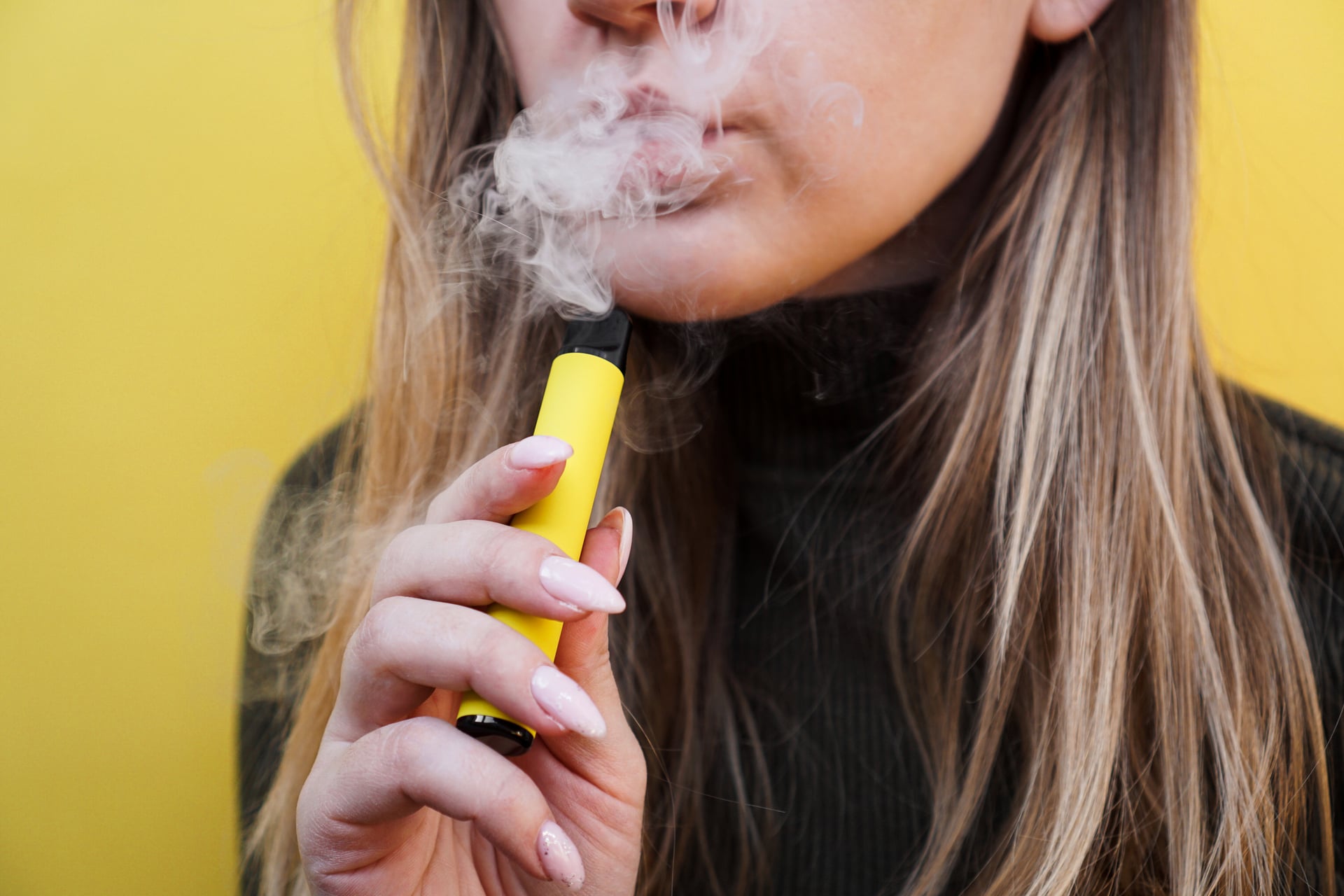
Teen vaping has become one of the most pressing public health concerns facing American families. Many parents don’t realize what’s happening until the habit is already well established—and with today’s vapes designed to be discreet and highly addictive, that’s not hard to understand. Knowing the warning signs, the health risks, and the treatment options available can make a real difference.
The Health Risks of Vapes
Research has found that e-cigarettes, commonly known as vapes, can be more addictive than traditional cigarettes. According to the 2024 National Youth Tobacco Survey, over 2.25 million teens reported vaping, with 26% of respondents saying they vaped daily. Experts say that heightened rates of addiction can be attributed to higher concentrations of nicotine compared to combustible cigarettes, as well as the variety of flavors that vapes are available in, which may be attractive to teens.
Despite being marketed as a safer alternative to smoking, vaping also poses significant health risks to teenagers and can cause irreversible lung damage, expose users to carcinogens, and affect brain development, increasing the risk of mental health disorders like depression.
Why Teens Vape & Signs of Vape Use
Experts with Clearfork Academy, a residential treatment center in Texas, say that teens may vape due to social influences or to cope with stress or anxiety; individuals with an oral fixation—that is, the need to constantly have something in their mouth—are at an especially high risk of becoming addicted to vapes.
Unfortunately, vapes are designed to be discreet, so it may be hard to recognize if your teen is using them. To start with, try searching their room for anything resembling a pen or a USB; you can also look for empty product boxes. If you notice any minty, fruity, or sweet scents coming off your teen’s breath or clothes, that’s also worth investigating.
Watch out for any changes in your teen’s health as well. Shortness of breath with no clear cause, dry mouth and nose, loss of appetite, and unexplained gastrointestinal issues, like nausea or heartburn, are all signs that vaping is beginning to affect their organs.
Finally, mood changes, like abrupt anxiety, aggression, or irritability, are usually symptoms of nicotine cravings. These typically appear when the teen is barred from accessing their vape, whether intentionally or unintentionally.
Treatments for Teens
Like all addictions, vaping addiction is a disease, and professional care is often required to treat it completely. However, it’s best to get that care at a facility that specializes in treating addiction in teenagers, as they face unique challenges compared to adults with an addiction.
First, medical providers will evaluate the patient to determine whether they require a medical detox—patients who have used vapes laced with fentanyl or other drugs may need monitoring to ensure they do not suffer from dangerous withdrawal symptoms. If the patient is found to only have a nicotine addiction, cravings will be addressed with over-the-counter medications, talk therapy, or nicotine replacement therapy, if needed.
Talk therapy is also used to treat any underlying mental illnesses that may have contributed to the development of the patient’s vaping addiction. Common modalities include cognitive behavioral therapy and dialectical behavior therapy, but other methods may be chosen depending on the patient’s needs.
Note that if your teen has a severe addiction, they may be recommended for an inpatient treatment program. This isn’t a bad thing; teens in residential treatment centers will often have the opportunity to take part in guided creative arts therapies, integrated wellness activities, and outdoor recreation. The combination of clinical treatments, holistic care, and a structured setting can do a lot to help the patient develop healthier coping strategies and prevent relapses for good.
Either way, if you discover that your teen is vaping, it’s worth approaching the situation with patience rather than judgment. Addiction is a medical issue, and with the right professional support and a treatment plan suited to their needs, recovery is very much within reach.
Clearfork Academy
info@clearforkacademy.com
+1-888-430-5149
7820 Hanger Cutoff Road
Fort Worth
TX
76135
United States


